
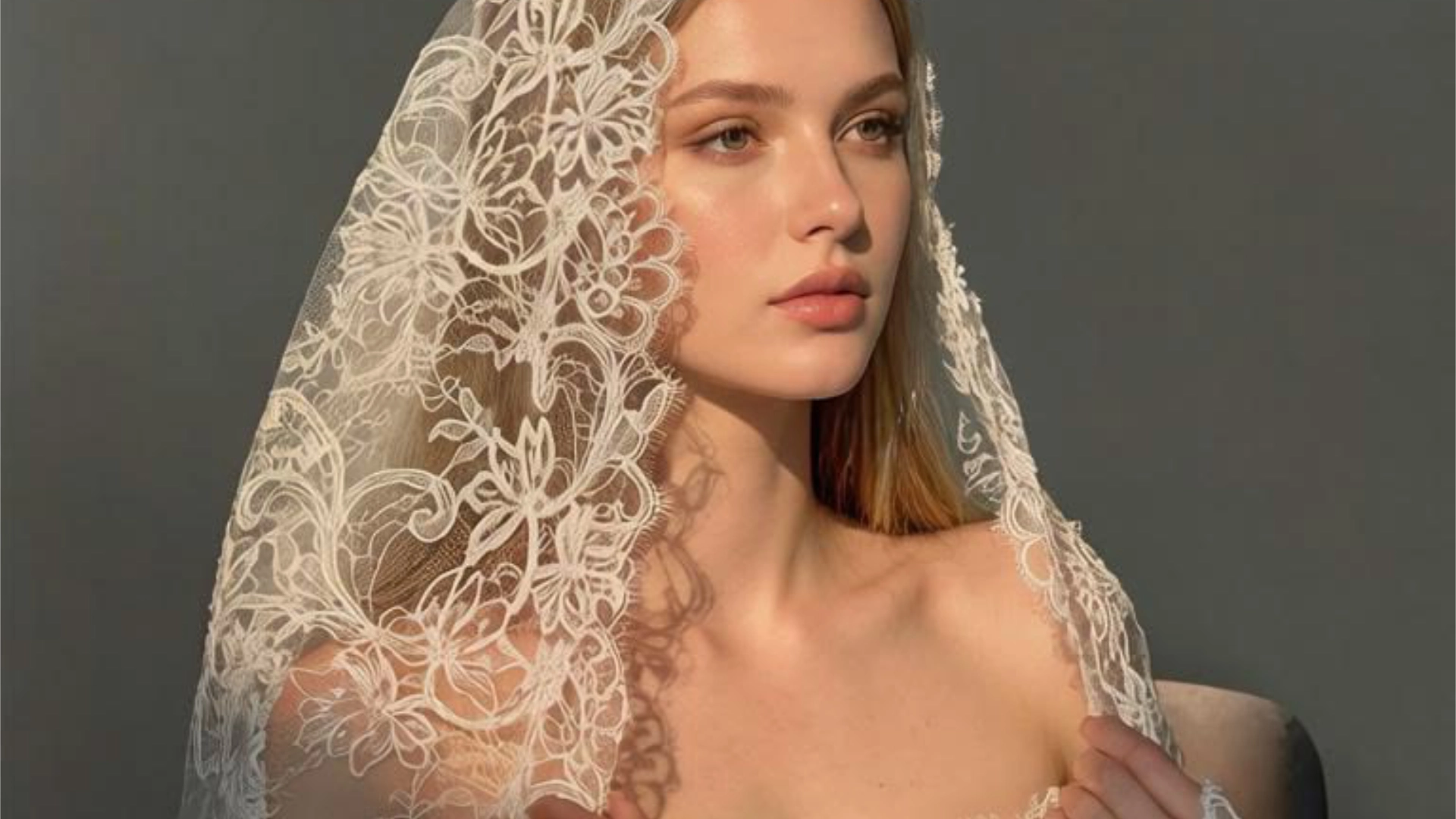
A bride once stepped into a consignment-shop dressing room and tried on a size 10 sample gown that had already been altered twice, worn for one wedding, photographed, and returned to the rack, and stories shared through https://cleverbridesconsignments.com/ can help other women discover where these unusually good finds are hiding. She paid roughly a third of the original retail price and wore the dress three weeks later without a single regret. Outcomes like that rarely happen through luck alone. They usually begin when another bride, often a stranger online, shares an honest recommendation about where to look and what to check before buying.
Girls Helping Girls Through the Wedding Dress Search
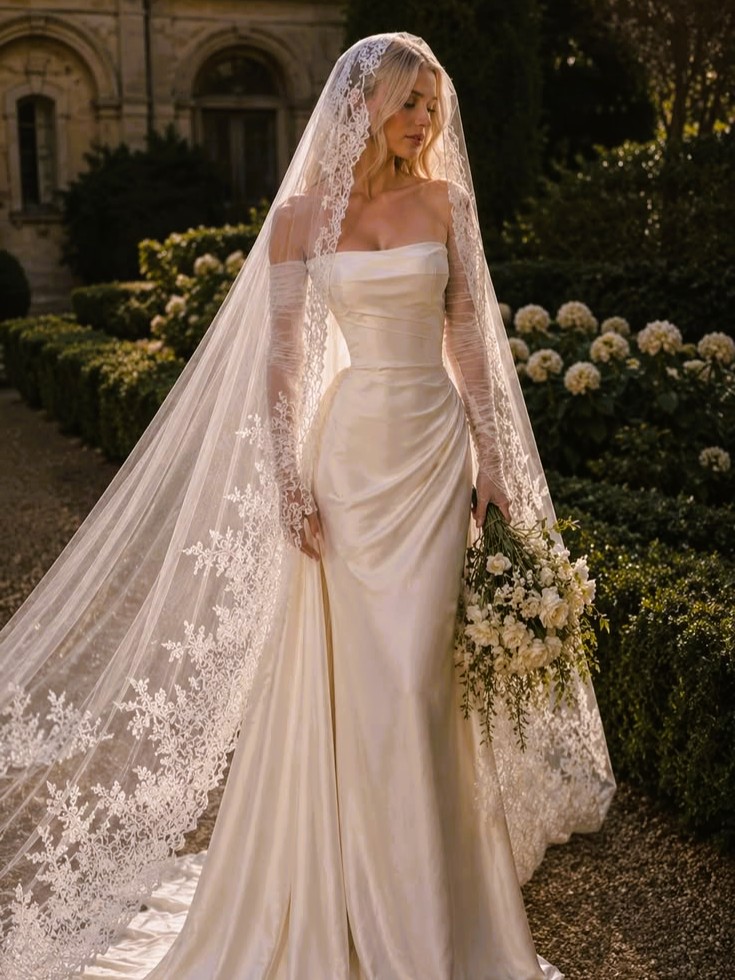
The dress search gets easier the moment you stop doing it alone. Bridal shops have incentives that do not always match yours, and a salesperson working on commission is not the same as a woman who bought her dress last spring and wants to help you avoid the mistakes she made. That is the shift happening across dress-hunting forums and resale groups right now, and it is changing how brides shop from the very first search.
Girls helping girls in this context means something specific: real answers about sizing, alteration costs, and which “boutique exclusive” gowns are actually mass-produced under a different tag. A woman who paid $400 in alterations because she bought a dress two sizes too small will tell you that before you make the same call. That advice is worth more than a glossy lookbook, because it comes with a price tag attached.
The forums also save brides from a common trap: falling for a dress in a photo without knowing how it moves. Someone who tried on the same silhouette will tell you honestly if the skirt bunches when you walk, or if the boning digs in after four hours of standing. That detail changes decisions, and it is the kind of detail no product description ever includes.
Even the timeline of the search benefits from this kind of input. Brides often assume they need to start looking a full year out, but women who have gone through it recently can tell you that a focused six to eight week window, armed with the right questions, often produces a better result than a year of scattered browsing. Girls helping girls means shortcuts earned through experience, not guesswork.
Why Pre-Owned Wedding Dresses Are Worth Trusting ?
Pre-owned wedding dresses solve a problem that new-gown pricing rarely acknowledges: most brides wear a dress once, for under twelve hours, then store it. That means a dress sold after one wearing is functionally new, minus a markup built for a boutique’s overhead and a designer’s margin. Buying pre-owned is not a compromise so much as a different kind of math.
The concern most brides raise is condition, and it is a fair one. A dress that sat in a closet for two years can develop yellowing along the hem, especially if it was not cleaned before storage. The fix is straightforward: ask the seller for close-up photos under natural light, and ask directly whether it was professionally cleaned after the wedding. Sellers who answer quickly and specifically are usually trustworthy. Sellers who deflect are not.
Wedding dress resale also gives brides access to designer gowns that would otherwise sit outside their budget entirely. A $3,200 gown listed two years after its original purchase might sell for $900, altered or not, simply because the bride who bought it wants it gone and out of her closet. That urgency works in the buyer’s favor.
There is a second, quieter benefit to pre-owned wedding dresses that does not get talked about enough: many of them have already survived one round of alterations, which means the fabric has proven it can hold stitching, boning, and hem adjustments without tearing. A brand new gown is an unknown quantity in that sense. A dress that already made it through one wedding has a track record.
| Buying Route | Typical Cost | Condition Risk | Turnaround |
|---|---|---|---|
| New from boutique | $1,800–$4,500 | Low | 4–8 months |
| Sample sale | $700–$2,000 | Moderate | Immediate |
| Wedding dress resale | $300–$1,500 | Depends on seller | 1–3 weeks shipping |
| Rental | $150–$600 | Low | 1–2 weeks |
How the Bridal Community Makes Finding Your Dress Easier ?
A strong bridal community shortens the search in ways a single boutique visit cannot. Instead of relying on one shop’s inventory, you are pulling from thousands of women who have already gone through fittings, alterations, and the return process, and who are willing to say plainly what worked and what did not.
This matters most for brides on tight timelines. If a wedding is ten weeks out and the dress needs to arrive with time for alterations, community members can point you toward sellers who ship fast and communicate clearly, saving you from a listing that looks perfect but never gets answered. Someone who has ordered from the same corner of the resale market before knows which sellers respond within a day and which ones go quiet after payment.
The community also flags trends before they become expensive mistakes, like a popular sleeve style that photographs beautifully but restricts arm movement during the reception. That is not information a retailer volunteers.
Beyond dresses themselves, a good bridal community becomes a kind of running reference library. Someone has already asked which steamers actually get out deep creases, which tailors specialize in lace repair, and how to transport a gown on a flight without it arriving crushed. Those answers exist because someone took the time to write them down for the next bride, which is the entire point of the exchange.
Women Supporting Women Beyond Just Sharing Listings
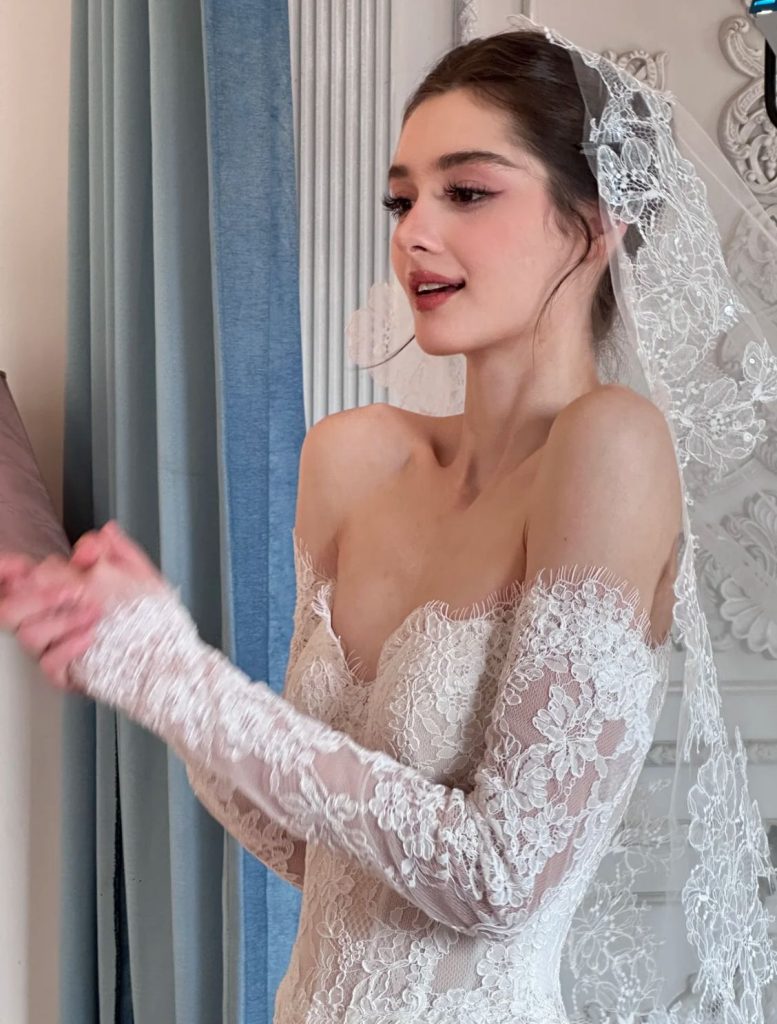
The support goes past dress links. Women supporting women in this space also means talking honestly about family pressure, budget arguments, and the guilt some brides feel spending money on a dress at all, especially when other parts of the wedding budget feel tighter than expected.
Brides trade advice on how to handle a mother who wants a different silhouette, or a future mother-in-law who keeps sending unsolicited links. That kind of emotional coaching rarely shows up in a bridal magazine, but it shapes the actual decision more than fabric or lace ever does.
There is also a practical layer worth naming: brides comparing notes on alteration tailors, steaming services, and how to store a dress in a small apartment for six months without it losing shape. None of that is glamorous, but all of it saves money and stress. The same instinct that makes someone research carefully before choosing a platform for a serious relationship applies here too: slow down, compare, and trust people who have already done the legwork.
Women supporting women also shows up in smaller moments, like a stranger offering to video call so a bride can see how a fabric catches light before committing to a purchase sight unseen. Nobody is required to do that. People do it anyway, because the exchange has become something closer to a shared project than a transaction.
Mistakes Brides Make When Skipping Girls Helping Girls Advice
The most common mistake is buying a dress based on photos alone, without asking a single question about how it fits a body shape different from the model’s. A dress that skims a size 4 mannequin can behave completely differently on a fuller bust or shorter torso, and that gap only becomes obvious after the sale is final.
Another mistake is ignoring alteration costs when comparing prices. A $500 gown that needs $600 in structural changes is not actually cheaper than a $900 gown that needs a simple hem. Brides who skip the girls helping girls step often miss this math entirely and end up frustrated at the final bill.
Timing mistakes are common too. Ordering a resale gown eight weeks before the wedding with no buffer for shipping delays or a botched alteration appointment is a real risk, and one that experienced sellers and buyers warn against constantly. Building in a two to three week cushion avoids most of the panic that follows a late delivery.
A quieter mistake is assuming every seller is negotiating in good faith. Most are, but a small minority misrepresent condition or ship a different size than listed. The fix is not to avoid resale altogether, it is to ask for measurements over labels, request video walkthroughs, and lean on community feedback about a specific seller before sending payment. Brides who skip that step are the ones most likely to end up disappointed, not because resale failed them, but because they went in without the questions the community would have given them for free.
Girls Helping Girls Creates Outcomes No Algorithm Can Match
No recommendation engine understands the difference between a dress that photographs well and a dress that feels right at hour ten of a wedding day. That distinction comes from lived experience, not data.
Girls helping girls works because the advice is specific, current, and free of a sales incentive. A stranger in a resale group has nothing to gain by steering you wrong, and that neutrality is rare in an industry built around upselling. The result is a search that costs less, moves faster, and ends with a dress that actually fits the day it was chosen for.
This is also why the pattern keeps repeating itself season after season. New brides arrive with questions, get real answers from women who solved the exact same problem months earlier, and then stay in the space long enough to answer the next round of questions themselves. Girls helping girls is not a one-time favor, it is a cycle that keeps rebuilding itself with every wedding season.
Finding the right dress was never really about the fabric or the label. It was about having people around who had already done the work, who could point you toward what actually holds up under twelve hours of dancing and hugging relatives. That is what a good bridal community offers, and it is worth leaning on.